
Who Checks the Number Before AI Quotes It?
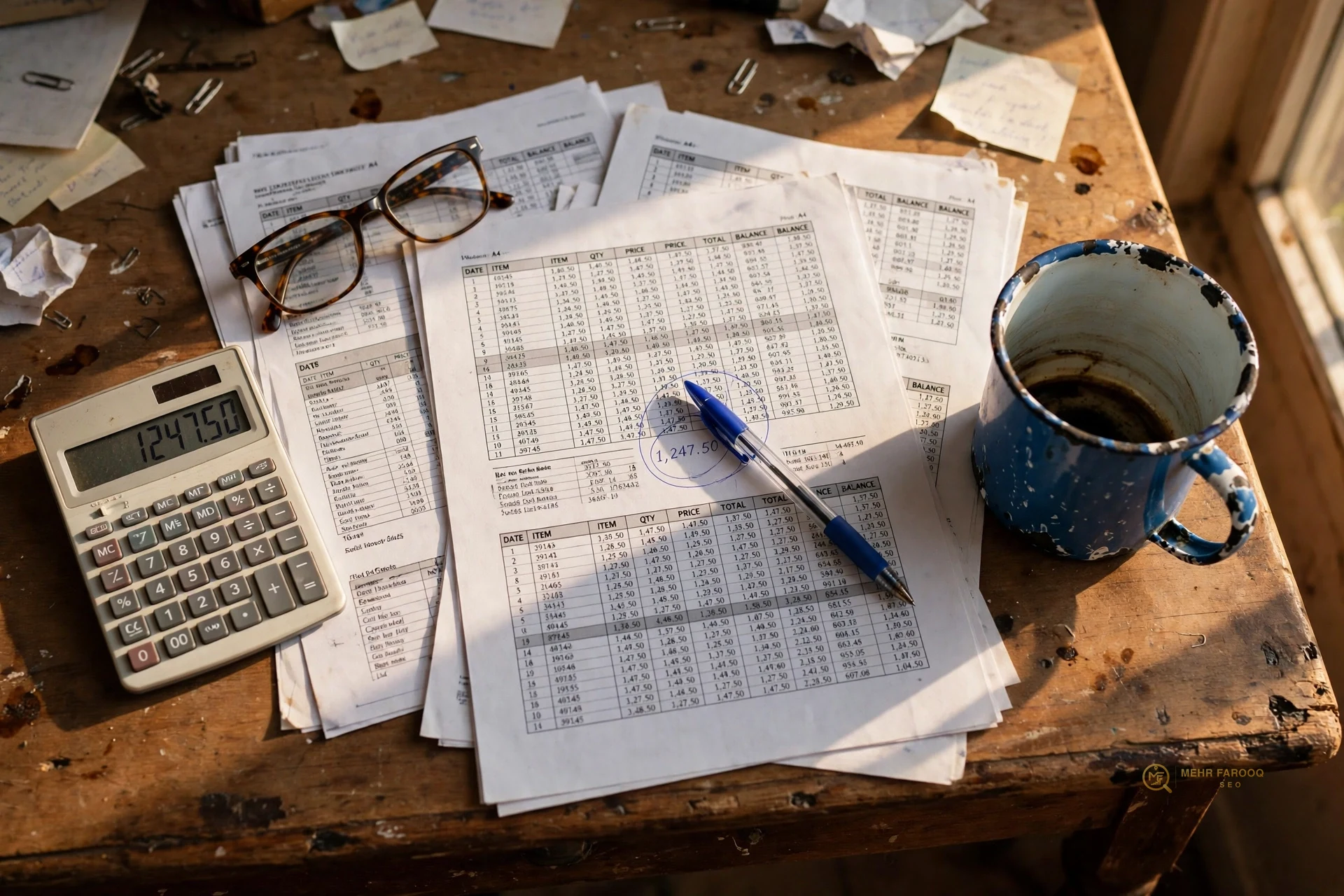
What changed in one of my figures overnight?
Yesterday I was publishing a salary page — elevator technicians in the UAE, on my SalarySouq site. The draft had been built honestly, from the source’s figures as I first read them: a sample of 7 salaries, a range of AED 2,200 to 5,000 a month, an average of AED 3,157. Before I pressed publish, I re-opened the source page one more time. The sample had grown to 89 salaries. The range now started at AED 2,000, and the average stood at AED 3,158. The draft was not wrong when I wrote it. The world had simply moved underneath it.
So I rebuilt the page on the new figures before it went live — it was the last of the day’s pages to publish, because the checking moved it. A small story, with no villain and no drama. But hold it up against what happens to that page next: it exists to be found, read and quoted — increasingly, quoted by AI systems answering some stranger’s question about what an elevator technician earns in the Emirates.
Where does an AI answer get its numbers?
Not from the world. From pages. An AI answer about a salary, a fee or a price is assembled out of whatever pages the system can read — mine among them — and it inherits each page’s figure whole: the number, and none of the doubt. The sample size behind it, the date it was last checked, the spread hiding inside the average — none of that survives into the answer. What reaches the reader is a single confident figure, laundered of its history.
Which means the accuracy of that answer was decided earlier, at a desk, by whoever published the page. If my draft had gone live untouched, AI answers would have gone on quoting a range drawn from 7 people as though it described a whole country’s trade — fluently, confidently, and wrong at exactly the edges where real people negotiate real offers.
Would the AI have noticed that the sample grew?
No — and this is the part of the AI era that keeps sliding past unnoticed. A model cannot tell a stale number from a fresh one; it has no alarm that rings when a figure stops being true. “True on Tuesday” and “true today” read identically to it. The confidence in an AI answer is a style. It is not a check, and it was never going to be one.
That is not an argument against AI answers. It is a description of where their quality is actually manufactured. The checking happens upstream, at the source page, or it does not happen at all. Every accurate AI answer about a local price is standing on somebody’s unglamorous re-verification — a person re-opening a source they had already read — that nobody will ever see or thank them for.
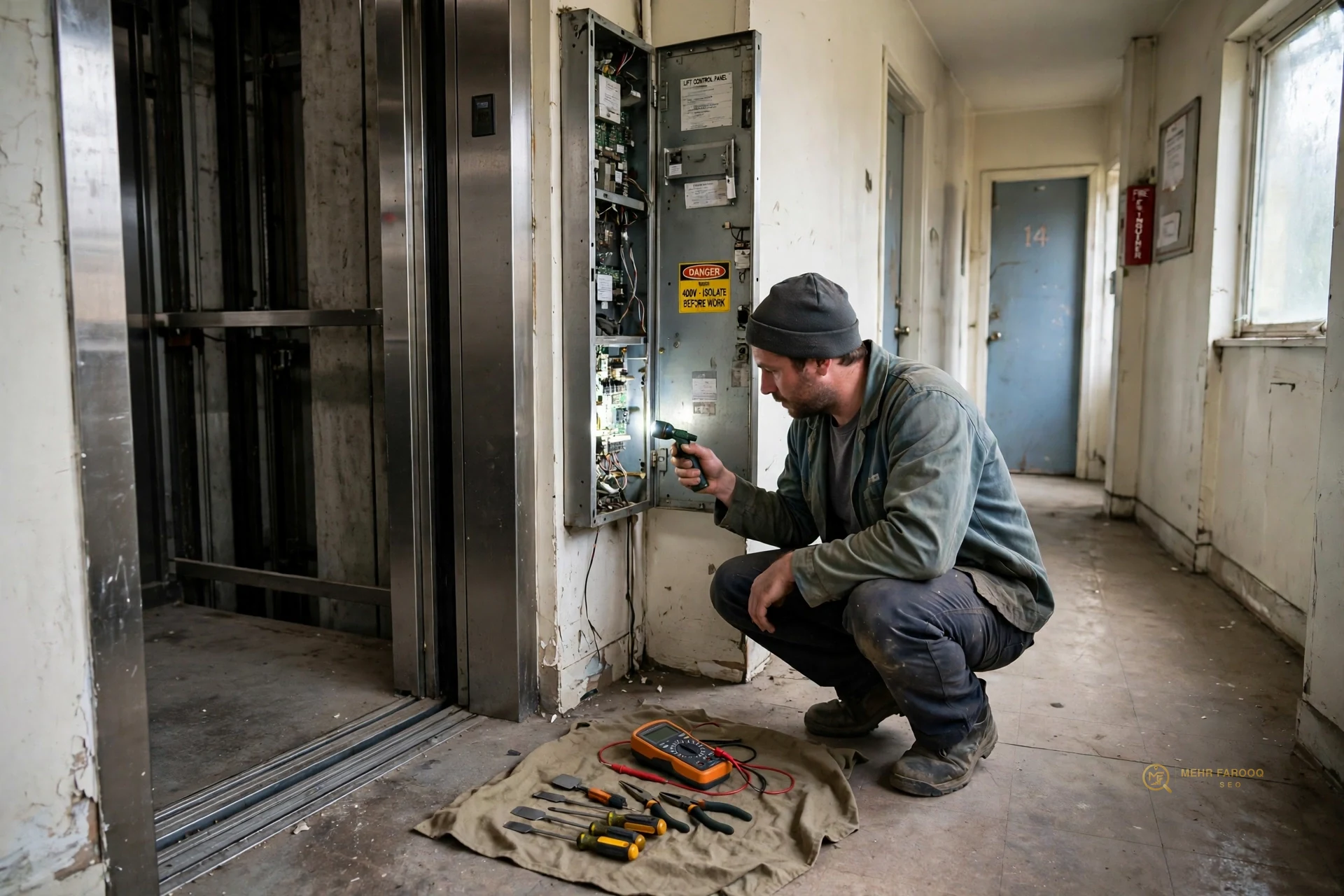
So what does the human check actually look like?
On my sites it is a rule, and it is deliberately boring, which is how you know it is a rule: on publish day, re-open the live source and read the figures again. If a figure cannot be re-verified, it does not get quietly replaced with a plausible-sounding one — it comes out of the page. SalarySouq now carries 48 of these profession pages, and every headline figure on them is there because it survived being read twice, on two different days, and still matched.
The rule costs time. The elevator rebuild cost me the tail end of a full publishing day. What it buys is this: when that page gets quoted — by a reader, by a search result, by an AI answer repeated to a thousand people — the number being carried around is the checked one. In an era when anything published is instantly quotable everywhere, the check is not a courtesy step before the real work. More and more, it is the real work.
Does one stale salary figure really matter?
Ask the person using it. Somewhere, an elevator technician is preparing to negotiate, or a small employer is setting an offer, with that range in hand. A floor built on 7 salaries and a floor built on 89 are different conversations — and the difference lands on the person with the least power to check the number themselves. Now multiply that by every salary, fee and price on every page being summarised this year.
This is the true shape of the tension for local and niche sites like mine. The answer layer is getting faster and more confident by the month, while the checking layer stays exactly as slow and human as it always was. The sites that keep checking will be the ones worth quoting. The rest become confident noise — and the uncomfortable part is that they get quoted anyway.

So who checked the last number you trusted?
The short version: yesterday, the entire difference between a stale page and a true one was not a tool, a model or an update. It was one person re-opening a source she had already read, on the day it mattered, and being willing to rebuild the page when the figures had moved. AI will quote whatever we publish, at a scale none of us can follow. It cannot check any of it first. Somebody has to be the check.
So here is today’s question, for everyone who publishes numbers — prices, salaries, fees, rates — and for everyone who trusts them: the last figure an AI handed you, or your own page handed an AI — do you know who last checked it against the source, and when?
Want SEO built on proof, not promises?
I build and rank websites for home service businesses — and I test everything on my own sites first.