
Did AI Search Stop the Phone From Ringing?
What is everyone actually afraid of?
Strip the AI panic down and it is not really about traffic. It is a chain of three fears: the machine answers the question, so nobody clicks; nobody clicks, so nobody calls; nobody calls, so there is no work. Every post in this series has dealt with the first link of that chain — the clicks that summaries absorb. This one is about the last link, the one a local business actually lives on: the phone.
I shared that fear, and my own data fed it. The generic pages faded exactly as predicted. But a chain is only as strong as its logic, and the logic quietly assumes that a search and a phone call are the same kind of event — that whoever stopped clicking also stopped needing a roofer, a plumber, a human being at their door. This week, my own call log gave me a reason to check that assumption instead of just repeating it.
What did my own call log show this week?
The facts, exactly as my dashboard recorded them, because this blog deals in nothing else. On 3 November, a call came in to the number on my Houston roofing site. It lasted a little over nine minutes. It was marked converted — in plain terms, a real customer with a real roofing need, passed to a real contractor — and the network recorded $98 against it. One call. I know about it at all because every call to that number is tracked and logged; nothing about it is a guess or a feeling.
I want to be precise about what this is. It is the first time a site I built, ranked and maintain by myself has produced a paid call. It is not a salary, not a trend, and not a promise — the section after next will take it apart honestly. But as a fact it stands in the middle of the panic and refuses to move: in the middle of the AI-answer era, a stranger searched, found a local page, and picked up the phone.
Why did this customer still pick up the phone?
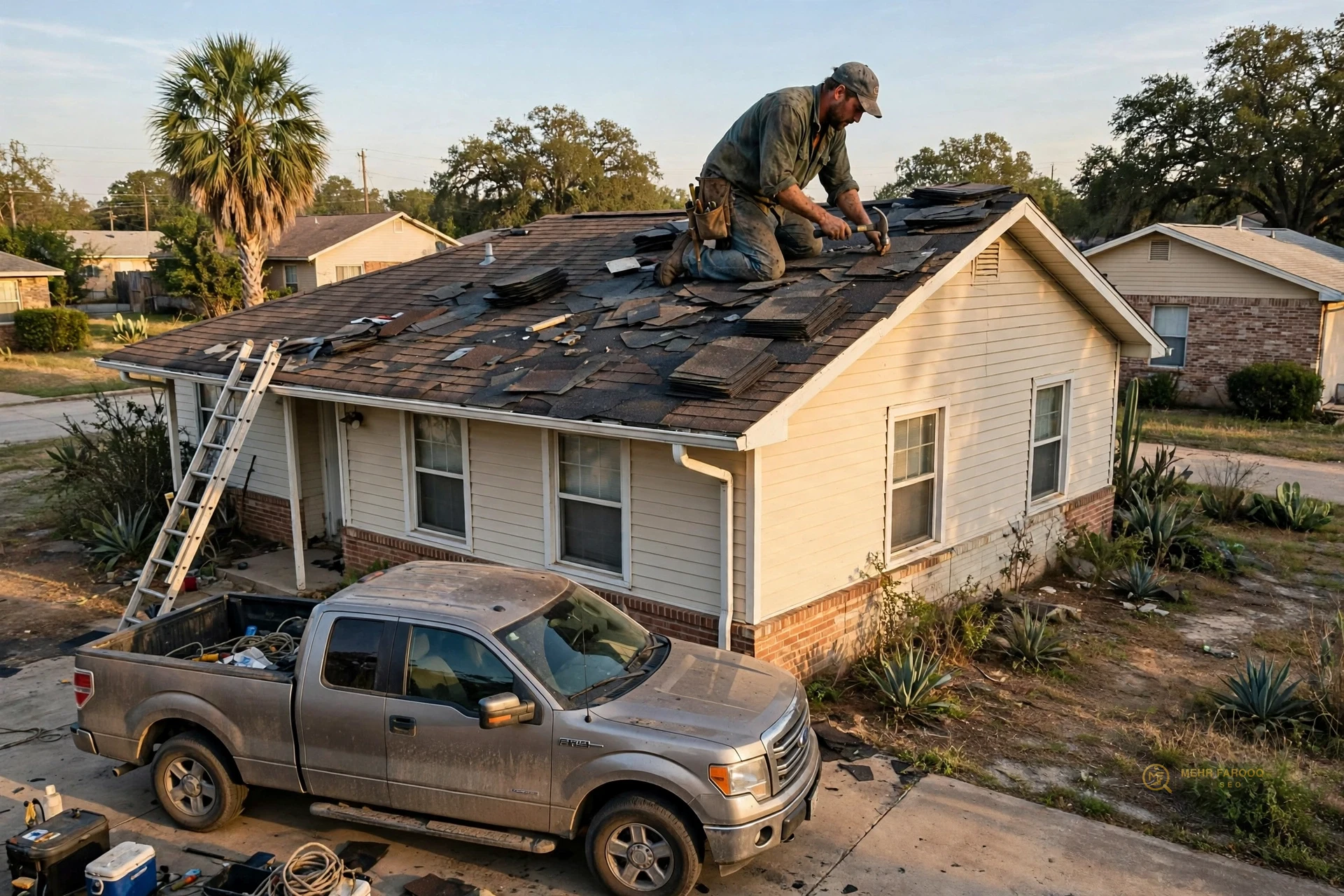
Because a summary cannot fix a roof. Whatever the AI answer told this homeowner — what a repair involves, what it roughly costs, who serves their area — it could not climb a ladder. At the end of every local search with real intent stands a transaction that no answer box can complete: a person, a problem in a physical house, and a voice on a phone. The answer can inform that call, shorten it, even choose who receives it. It cannot replace it.
Notice what the call needed from search to exist. It needed a page and a profile the searcher — or the answer summarising them — could find and trust, for that service, in that city. That is the same specific, local, completely-answered material the earlier posts in this series kept arriving at. AI did not remove the road to the phone. It became part of the road — which means the quality of what it finds on the way matters more, not less.

Does one call prove the panic wrong?
No — and anyone who tells you one data point proves a market should not be trusted with either. One call proves exactly one call. My own numbers keep me honest here: in the same stretch of time, my own business profile here in Karachi was viewed 132 times and produced no calls at all. Small numbers, plainly reported, cutting in both directions. The $98 is recorded revenue against a converted call, not money in my hand, and one swallow of any kind makes no summer.
What the call does disprove is the strongest version of the fear — the claim that the phone, as a channel, is finished. It is not finished. It is filtered. The informational click is genuinely being absorbed; I have published my own fading pages as evidence. The transactional call is a different animal, because it was never made of information. It is made of need, and need still dials.
What had to be true for that call to exist?
Three unglamorous things, and the call dies if any one of them breaks. First, a findable page: specific to a service and a city, answering the questions a worried homeowner actually asks — the one-question discipline this blog runs on. Second, a reachable business: the same phone number on the site, the profile and the listings, one tap away on a mobile screen, because a customer in a hurry does not solve puzzles. Third, a visible result: call tracking on that number, so the call is counted, timed and learned from instead of evaporating.
That third one is the step most small businesses skip, and it is the reason this post can be written from a log instead of from hope. If you do not track calls, you cannot know whether your SEO is working in the only currency that pays rent — you only know about clicks, the currency that is inflating away. The businesses that will navigate this era calmly are the ones measuring the end of the chain, not just its beginning.
What should you protect first on your own site?
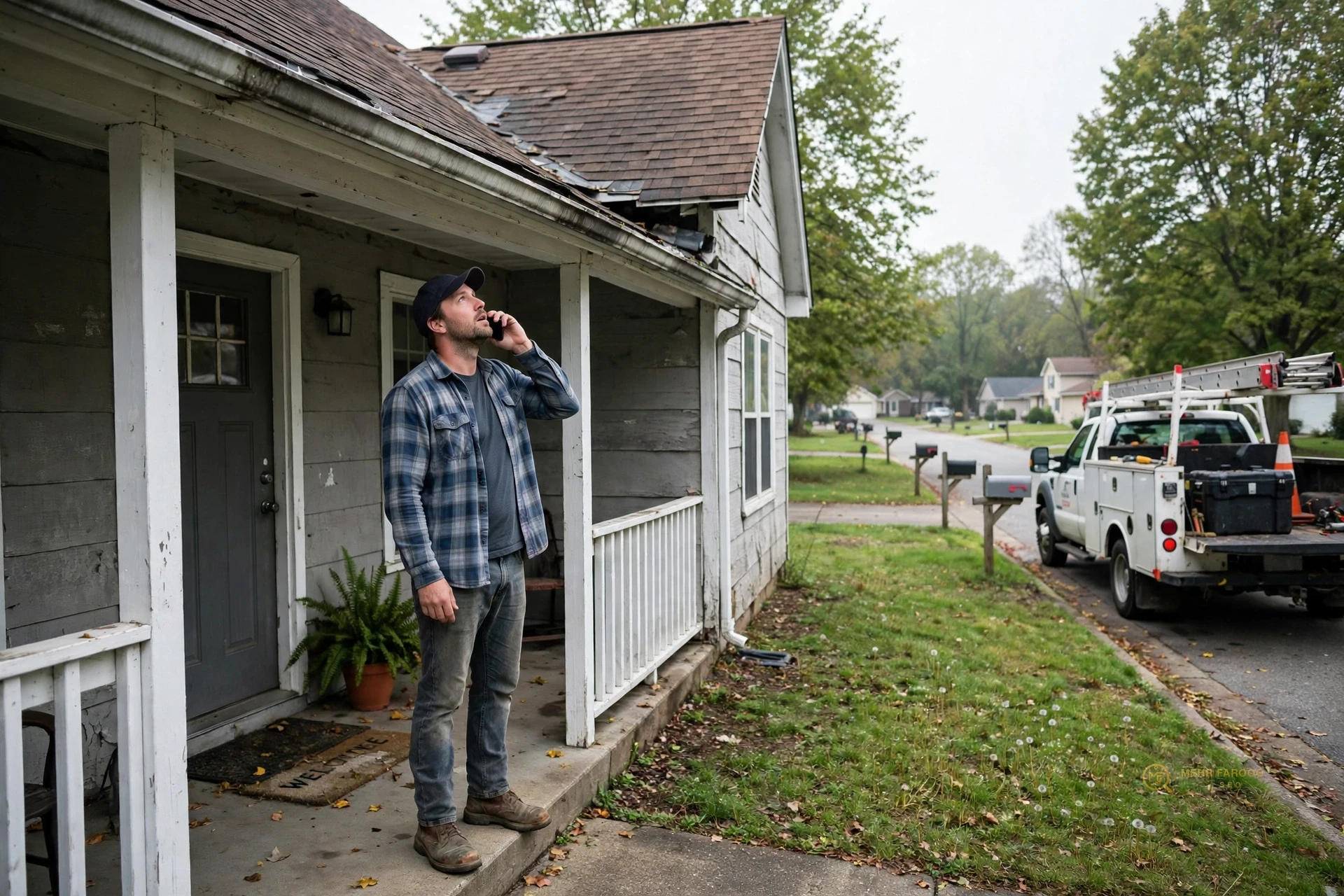
Protect the call path before you chase more traffic. Walk it as a stranger with a leaking roof would: search your service and your area, see what the answer and the results say about you, open your page on a phone, and count the taps between landing and dialling. Every extra tap is a leak. Then check the boring consistencies — number, hours, services, area — across your site, your profile and your listings, because the answer assembling your description reads all of them.
And keep the pages that feed the call worth finding: one real question each, answered completely, with the local specifics only you have. That is the whole method of this series, now with a phone call attached to it. Traffic reports will keep frightening people who watch only traffic. Watch the log that rings.
So when did your phone last ring from a search?
The short version: AI answers absorbed the information, and the need still picked up the phone — once, in my log, for nine minutes, at $98. I am not building a victory speech on one call. I am building a measuring habit on it, and a suspicion that the obituaries for the local phone call were written by people watching the wrong report.
So here is the question this post owes you, and it is an audit in disguise: when did your phone last ring because somebody searched — which page or profile earned that call — and would you even know?
Want SEO built on proof, not promises?
I build and rank websites for home service businesses — and I test everything on my own sites first.